Zum Inhalt springen
Inhaltsverzeichnis
The Evolution of Speed: Mapping the Road to USB 5.0
To effectively future-proof your product roadmap, it is essential to look past current consumer-grade availability and analyze the underlying physics of high-speed signaling. While the official USB Implementers Forum (USB-IF) framework for the next generation is still under wraps, current engineering breakthroughs in copper limitations, PAM signal modulation, and active optical architectures allow us to trace a highly accurate projection.
Below is a technical benchmark evaluating current top-tier protocols against the projected engineering parameters of the upcoming USB 5.0 infrastructure.
| Specification | USB 4.0 | USB 4 Version 2.0 | USB 5.0 (Predicted Architecture) |
| Max Aggregate Bandwidth | 40 Gbps | 80 Gbps (120Gbps Asymmetric) | 160 Gbps (Advanced PAM4 Signaling) |
| Max Power Delivery (PD) | 100W | 240W (Extended Power Range) | 360W – 480W (Next-Gen Ultra EPR) |
| Maximum Display Resolution | 8K @ 60Hz | 8K / 10K with DSC | 16K @ 60Hz (Uncompressed Ultra-HD) |
| Passive Length Limit (Full Speed) | ~0.8 Meters | ~0.5 Meters | < 0.3 Meters (Severe copper attenuation) |
| Dominant Cable Construction | Coaxial / Twisted Pair Copper | High-Spec Micro-Copper | Active Optical Cable (AOC) Hybrid |
Note: Data compilation current as of mid-2026 industry tracking.
Planning a next-generation hardware architecture? Discuss your technical roadmaps with our engineering team.
In the ever – evolving world of technology, speed and performance are at the heart of innovation. With the introduction of USB 4.0 Gen2, which pushes speeds to 80Gbps, we’ve seen an incredible leap forward in data transfer and connectivity. However, the future holds even greater possibilities with the arrival of USB 5.0, which promises to deliver speeds of 160Gbps – a game-changing jump that will revolutionize industries, applications, and the way we interact with technology. In this comprehensive post, we’ll explore everything you need to know about USB 5.0 cables, from how they work and their key features to the reasons why they are crucial for the future of data transfer.
What is USB 5.0 cable?
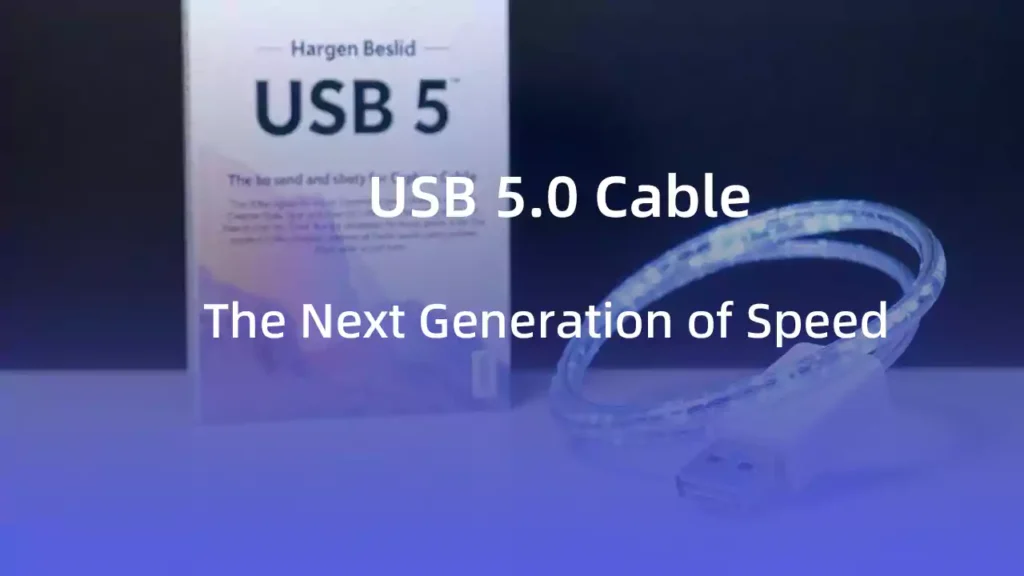
USB (Universal Serial Bus) technology has long been the backbone of device connectivity, powering everything from external drives to smartphones. The introduction of USB 5.0 cable represents the latest leap forward in this ongoing evolution. USB 5.0 cable is poised to redefine the way we think about data transfer speeds, enabling ultra-fast file transfers, seamless video streaming, and efficient power delivery for high-performance devices.
USB 5.0 cable will significantly increase the maximum data transfer rate, offering speeds up to 160Gbps, which is almost double the speed of USB 4.0 Gen2 cable (80Gbps). These speeds will not only benefit professionals working with large-scale data but also enhance consumer devices like high-end gaming consoles, media centers, and virtual reality (VR) headsets.
This upgraded specification allows USB 5.0 cables to handle bandwidth-heavy tasks such as 8K video streaming, large file transfers, and extensive data backups. By offering backward compatibility with previous USB standards, USB 5.0 cables will seamlessly integrate into existing setups, making the transition to this new standard easier for both consumers and businesses.
USB 4.0 Gen2 vs. USB 5.0 Cable: Speed and Performance Breakdown
Before we dive into the specifics of USB 5.0, it’s essential to understand how it stacks up against its predecessor, USB 4.0 Gen2, which boasts speeds of 80Gbps.
USB 4.0 Gen2 Cable (80Gbps)
USB 4.0 Gen2 was introduced as part of the USB 4.0 standard and brought impressive advancements in data transfer. With speeds up to 80Gbps, it opened the door for data-intensive tasks, such as connecting external SSDs, using high-performance graphics cards, and powering ultra-high-definition video displays.
While USB 4.0 Gen2 dramatically improved performance over previous USB versions, USB 5.0 is the next evolution. The ability to transfer data at 80Gbps was certainly groundbreaking, but it only scratches the surface of what’s possible as technology continues to evolve.
USB 5.0 Cable (160Gbps, Forecast)
USB 5.0 promises to break new ground with 160Gbps speeds, allowing for much faster file transfers, ultra-low-latency gaming, and smooth 8K video editing or streaming. The significant performance boost of USB 5.0 will be critical for industries that rely on large data sets, such as media production, high-performance computing, virtual reality, and gaming.
USB 5.0’s ability to handle multiple high-bandwidth tasks simultaneously will make it a must-have standard for professionals and enthusiasts alike. This leap in speed will also help eliminate performance bottlenecks, reduce latency, and support new devices and applications that demand more power.
In short, USB 5.0 is not just an incremental upgrade—it’s a technological leap that will pave the way for a new era of connectivity.
Key Features and Benefits of USB 5.0 Cable
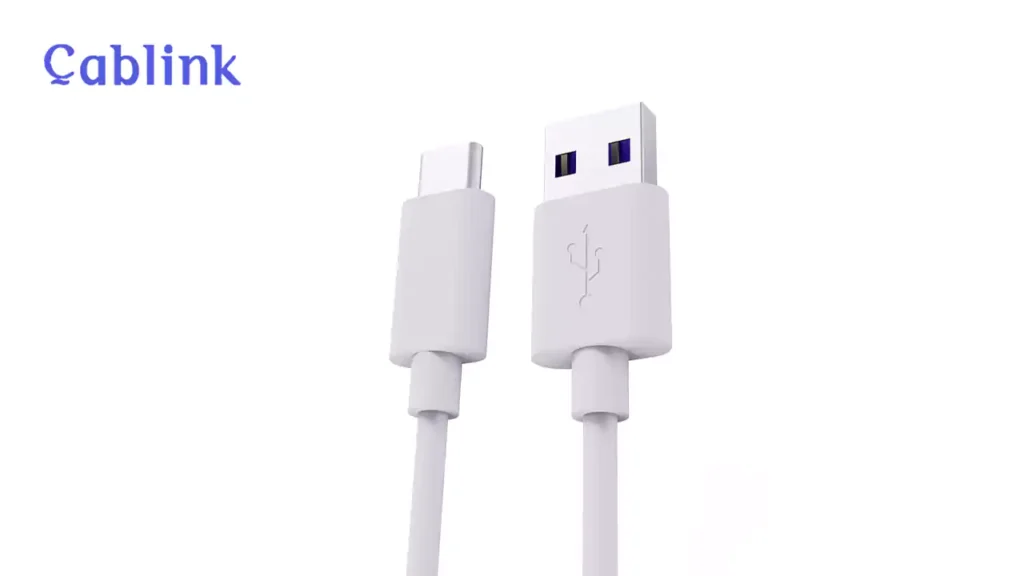
1. Super-fast Data Transfer
One of the most significant benefits of USB 5.0 is the ability to transfer data at up to 160Gbps, making file transfers almost instantaneous. Whether you’re working with 16K video or transferring huge game files, USB 5.0 provides the speed and performance needed to keep up with the increasing demand for high-bandwidth content.
For professionals in the media and entertainment industries, the speed and efficiency of USB 5.0 cables will streamline workflows, allowing them to handle large files with ease. Whether it’s moving a 16K movie from a hard drive to a laptop or streaming high-definition video, USB 5.0 ensures lightning-fast data transfer without interruption.
2. Enhanced Power Delivery
USB 5.0 cable also introduces faster power delivery. With increased power output from 360W to 480W, USB 5.0 can support the charging of power-hungry devices such as high-end laptops, gaming consoles, and external hard drives. This is especially valuable for professionals who need to charge devices quickly while maintaining a high-speed data transfer rate.
Faster power delivery is also beneficial for smartphones and tablets, ensuring that these devices can be charged more efficiently while transferring data simultaneously.
3. Improved Signal Integrity
As data transfer speeds increase, the challenge of maintaining signal integrity becomes more pronounced. USB 5.0 cables come equipped with advanced error correction and signal encoding techniques to ensure stable data transmission, even over longer cable lengths. This means fewer data loss issues, reduced lag, and more reliable performance in demanding situations.
4. Backward Compatibility
One of the most significant advantages of USB 5.0 cable is its backward compatibility with earlier USB versions. USB 5.0 will work with devices that use USB 3.0, USB 4.0 Gen2, and even USB 2.0, although the data transfer speed will be limited to the capabilities of those older standards. This backward compatibility ensures a smooth transition as consumers and businesses adopt the new standard.
This compatibility also means that users who upgrade to USB 5.0 will still be able to use their older USB devices without any issues, making it easier to integrate the new standard into existing tech ecosystems.
Why USB 5.0 is Critical for the Future of Technology

The future of technology is moving toward high-bandwidth applications, and USB 5.0 will be the key to unlocking new capabilities in a wide range of industries. As technologies such as 16K video, virtual reality, autonomous vehicles, and artificial intelligence (AI) become more mainstream, the need for faster and more reliable data transfer will continue to grow.
16K Video Streaming and Editing
As 16K resolution content becomes more widely available, USB 5.0 will play a crucial role in enabling the seamless streaming and editing of this ultra-high-definition content. With 160Gbps speeds, users will be able to transfer massive video files with ease, drastically reducing rendering times for professionals in the film and media industries.
Gaming
USB 5.0 will also be indispensable in the world of gaming. With an increasing demand for real-time gaming and VR experiences, ultra-fast data transfer speeds will be necessary to keep latency low and performance high. Gaming peripherals, external hard drives, and other devices will benefit from the speed and power of USB 5.0.
Virtual Reality (VR)
VR headsets, which rely heavily on high-bandwidth data, will require the next-generation speeds that USB 5.0 offers. USB 5.0 cables will help deliver lag-free, immersive VR experiences, enabling higher frame rates and smoother interactions for both consumers and developers.
In conclusion, USB 5.0 is essential for ensuring that the technology we rely on today can keep up with the demands of tomorrow’s innovations.
USB 5.0 vs. USB 4.0 Gen2 Cable: How Much Faster Is It?
To put things in perspective, let’s examine the difference in data transfer speeds between USB 4.0 Gen2 and USB 5.0.
- USB 4.0 Gen2 offers 80Gbps transfer speeds, which is perfect for high-speed data tasks like gaming, 4K video editing, and connecting external SSDs.
- USB 5.0, on the other hand, will offer 160Gbps, which is over twice the speed of USB 4.0 Gen2. This will allow users to stream 8K video, transfer massive data sets, and engage in VR with significantly reduced latency.
In short, USB 5.0’s faster speeds will provide a competitive advantage for professionals and enthusiasts alike, enabling more efficient workflows and experiences.
USB Evolution: Comparing USB Versions 1.0 to USB 5.0 (Forecast)
Here the different version of USB cable comparing as follow:
- USB 1.0: Launched in 1996 with speeds of 12Mbps, primarily for peripheral devices like mice and keyboards.
- USB 2.0: Introduced in 2000 with speeds of 480Mbps, it became the standard for most devices.
- USB 3.0: Launched in 2008 with speeds of 5Gbps, allowing for faster data transfer and greater power delivery.
- USB 3.1: Released in 2013, with speeds of 10Gbps, introduced Type-C connectors and enhanced power delivery.
- USB 3.2: Released in 2017, speeds increased to 20Gbps.
- USB 4.0 Gen2: Released in 2020, offering speeds up to 40Gbps, followed by USB 4.0 Gen2 pushing speeds up to 80Gbps.
- USB 5.0: Expected to reach 160Gbps, setting the stage for ultra-high-speed applications in the coming years.
- Include a chart comparison of the USB versions, showcasing their speeds, release years, and key features:
USB Cable Comparing(From 1.0 to 5.0)
USB Version | Release Year | Max Speed | Key Features |
USB 1.0 | 1996 | 12 Mbps | Basic data transfer for peripherals |
USB 2.0 | 2000 | 480 Mbps | Widely adopted, fast data transfer |
USB 3.0 | 2008 | 5 Gbps | Higher speed, improved power delivery |
USB 3.1 | 2013 | 10 Gbps | Type-C connector, improved power |
USB 3.2 | 2017 | 20 Gbps | Enhanced data transfer, faster speeds |
USB 4.0 | 2019 | 40 Gbps | Supports Thunderbolt, high-speed data |
USB 4.0 Gen2 | 2022 | 80 Gbps | Latest USB standard, faster data rates |
USB 5.0 | Forecast | 160 Gbps | Ultra-fast transfer for heavy workloads |
Will USB 5.0 Cable Be Backward Compatible?
Yes, USB 5.0 will be backward compatible with USB 4.0 Gen2, USB 3.2, and USB 2.0 standards. However, when using older devices, the data transfer speed will be limited to the maximum speed supported by the older cable or device. For example, if you connect a USB 3.0 device with a USB 5.0 cable, the transfer speed will be limited to 5Gbps.
The backward compatibility of USB 5.0 ensures that upgrading to the latest standard will not render older devices obsolete, making it easier for users to adopt the new technology without the need for an entire hardware overhaul.
How to Choose the Right USB 5.0 Cable
When selecting a USB 5.0 cable, there are a few key factors to keep in mind:
- Cable Length: Longer cables can sometimes experience a decrease in speed, so select the appropriate length based on your setup.
- Cable Material: Opt for cables made with high-quality materials, such as braided nylon or premium copper, to ensure durability and optimal performance.
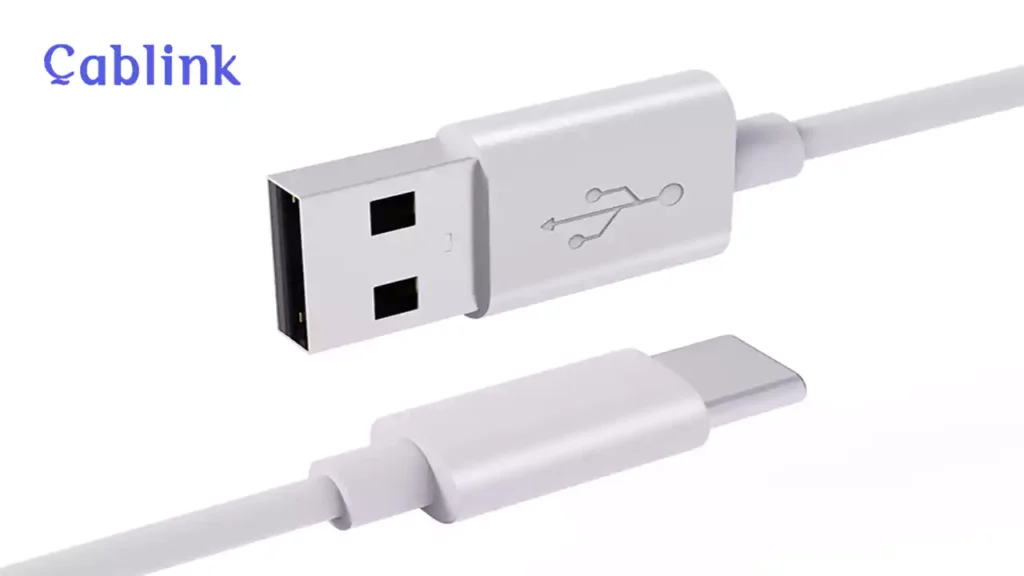
- Connector Type: Ensure the cable has the appropriate connector (e.g., USB-C or USB-A) for your device.
- Certification: Always choose certified USB 5.0 cables to guarantee you’re getting maximum speed and power. Brands like Cablink offer USB 5.0 certified cables that meet the highest standards of performance.
Technical Procurement: Evaluating Suppliers for Next-Gen Interconnects
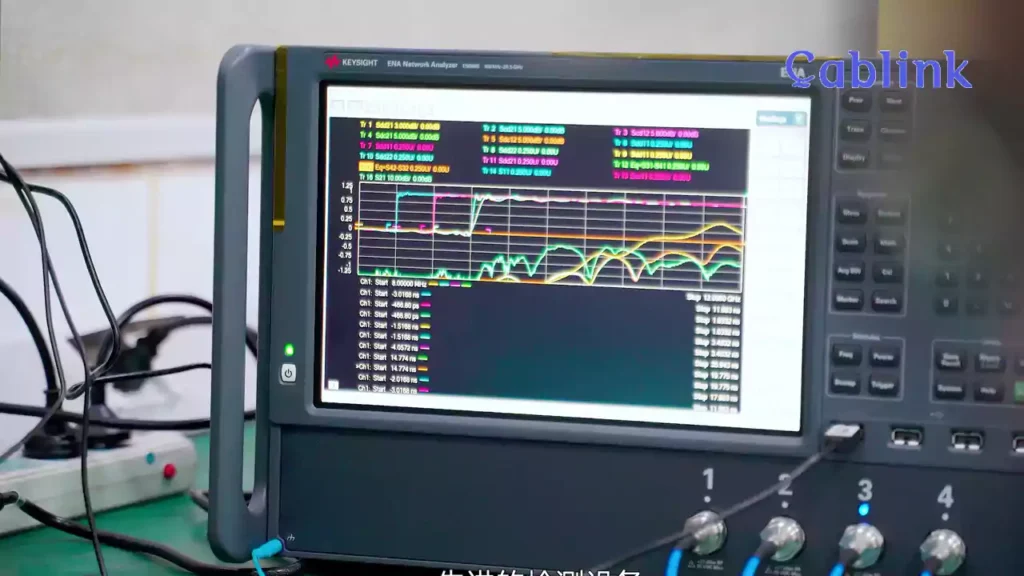
When a technology standard shifts, standard sourcing checklists become obsolete. Sourcing an ultra-high-bandwidth, ultra-high-wattage interconnect like a projected USB 5.0 cable introduces extreme engineering liabilities that standard assembly plants are simply not equipped to manage. For procurement executives and product brand owners, navigating this transition requires identifying very specific engineering capabilities.
When choosing a USB cable supplier, it’s crucial to consider several factors to ensure you’re getting high-quality, durable, and reliable products. Here are key factors to evaluate:
- Quality Assurance & Certification: Make sure the supplier provides certified cables that meet USB-IF standards, ensuring high performance and safety. For instance, Cablink is known for offering USB cables that are thoroughly tested and certified, guaranteeing compliance with the latest specifications.
- Reputation and Customer Reviews: A reliable supplier should have a proven track record of customer satisfaction. Research customer reviews and feedback to assess their credibility. Cablink, for example, has earned strong customer loyalty through consistent quality and after-sales service.
- Product Variety and Customization: A good supplier should offer a wide range of USB cables that cater to various needs—such as USB 3.0, USB 4.0 Gen2, and USB 5.0 cables. Additionally, they should offer customization options to fit specific requirements, from cable length to connector types.
- Warranty and Support: Choose a supplier that offers a warranty on their products. Cablink offers a robust warranty policy on all its cables, along with responsive customer support to resolve any issues that may arise.
- Price vs. Quality: While price is important, it shouldn’t come at the cost of quality. Opt for a supplier like Cablink, which balances competitive pricing with premium quality, ensuring you get good value for your investment.
- Lead Time and Delivery: Ensure that the supplier can meet your deadlines and has a reliable delivery system. Fast lead times are crucial for businesses that require large quantities of cables. Cablink excels in delivering on time, even for bulk orders.
The Hidden Traps in High-Speed Cable Sourcing
The Ultra-EPR Thermal Trap: Pushing power delivery past 240W toward the 360W–480W range means any minor resistance variance in the connector pins or wire-to-board termination will generate immense heat. Poorly programmed E-marker chips or subpar overmolding density can result in catastrophic thermal failures—potentially destroying expensive client prototypes or retail hardware.
The 160Gbps Attenuation Wall: At extreme frequencies, signal degradation over copper happens exponentially. Standard factories cannot manufacture a passive copper cable past 30 centimeters without rendering the signal completely unstable due to severe return loss. Next-gen standards require complex Active Optical Cable (AOC) hybridization, integrating laser drivers directly inside the Type-C housing.
The Cablink Engineering Advantage
At Cablink, we don’t wait for the market to dictate quality; we engineer it in our proprietary laboratories. Our manufacturing lines are already optimized to eliminate these precise high-speed friction points:
Precision Eye Diagram Analysis: Every high-frequency cable prototype undergoes strict eye diagram validation to ensure zero jitter and complete signal integrity at maximum theoretical bandwidth.
Advanced TDR Testing: We utilize Time Domain Reflectometry (TDR) profiling to verify absolute impedance uniformity across all data lanes, eliminating reflection noise before mass manufacturing begins.
Agile OEM Infrastructure: We combine rigorous compliance capabilities (USB-IF, MFi, HDMI Adopter framework) with highly flexible Minimum Order Quantities (MOQs), allowing growing brands to scale from 500-unit prototyping runs to mass market distribution without the standard 16-week corporate bottleneck.
Protect your hardware prototypes from thermal and signal failure.
Market Trends: Driven by AI Computing and Spatial Layouts
Understanding the commercial viability of an unreleased cable standard requires a deep dive into historical transition cycles. The shift from USB 3.2 to USB 4 was accelerated by the sudden democratization of 4K video editing and high-speed NVMe external storage arrays. Today, the catalyst for the next infrastructure leap—USB 5.0—is already clear: The explosive growth of localized AI computing hardware and ultra-high-resolution Spatial Computing ecosystems.
Market integration data indicates that the global Type-C ecosystem is sustaining a compounding annual growth rate (CAGR) exceeding 25%. However, current 40Gbps and 80Gbps pipelines are quickly becoming processing bottlenecks. When enterprise edge-AI devices, real-time localized neural network processors, and uncompressed 16K display configurations operate simultaneously over a single hardware hub, data saturation occurs almost instantly.
We project that the deployment curve of USB 5.0 will mirror the initial rollout of enterprise server infrastructure: Premium corporate AV systems, defense-grade simulation networks, and industrial vision processing arrays will absorb the initial production volume, creating an immediate, high-margin niche for agile component brands who secure validated OEM supply lines ahead of the mass market.
Abschluss
USB 5.0 is not just the next iteration of USB technology—it’s a revolutionary leap that will redefine the way we connect and interact with devices. With speeds of 120Gbps to 160Gbps, USB 5.0 will empower industries, professionals, and consumers to do more than ever before. Whether it’s for gaming, media production, or real-time applications, USB 5.0 offers the performance necessary for today’s most demanding tasks.
As we move toward this next generation of USB connectivity, now is the time to prepare by upgrading your devices, choosing certified USB 5.0 cables, and future-proofing your tech setups. The future of high-speed data transfer is here—don’t get left behind.
Deep-Dive Technical FAQ: Sourcing & Engineering Insights
To assist hardware designers, system integrators, and procurement executives in assessing future infrastructure investments, our engineering lab has compiled and addressed the ten most critical technical and supply chain queries regarding the upcoming evolution of high-speed interconnects.
Will USB 5.0 require a completely new physical connector shape or port?
No. The USB Implementers Forum (USB-IF) is fundamentally committed to the universal USB Type-C physical form factor due to its global market penetration. However, while the outer shape remains identical, the internal pin materials, grounding structures, and underlying layer architectures must be heavily upgraded to manage the severe electromagnetic interference (EMI) generated by 160Gbps transfer speeds.
How can USB 5.0 realistically achieve a 160Gbps data rate over copper?
Achieving 160Gbps requires migrating to more advanced signal encoding methodologies, such as specialized PAM4 (Pulse Amplitude Modulation 4-Level) or complex multi-lane asymmetrical routing frameworks. Rather than just relying on raw clock speed increases which generate unmanageable heat, these encoding mechanisms pack more bits of data into each electrical pulse, bypassing traditional frequency bottlenecks.
Is a uncompressed 16K video streaming workflow actually possible over a single next-gen cable?
Yes. Driving a 16K display at 60Hz with HDR and deep color depth requires data pipelines far exceeding the limits of base-tier USB 4. By leveraging protocol tunneling (integrating DisplayPort 2.1 specifications) and utilizing dynamic bandwidth boost setups—similar to how Thunderbolt 5 reallocates lanes to send 120Gbps in a single direction—a projected 160Gbps USB 5.0 framework will support uncompressed 16K workflows natively.
What are the anticipated Power Delivery (PD) boundaries for these next-gen lines?
With current USB PD Extended Power Range (EPR) topping out at 240W (48V/5A), the next logical engineering tier is moving toward 360W or 480W configurations. This is driven by the energy requirements of next-generation gaming laptops, workstation edge-AI computers, and medical monitor arrays, requiring cable factories to dramatically increase internal copper wire gauge (AWG) thickness and implement ultra-low resistance connectors.
Will legacy USB 3.2 and USB4 devices be backward compatible with USB 5.0 cables?
Universal backward compatibility is a core tenet of the USB standard. A USB 5.0 cable will natively support legacy USB 4, USB 3.2, and USB 2.0 protocols. However, the data rate will always be limited by the slowest link in the chain; plugging a legacy device into a next-gen cable will still result in the legacy speed tier.
How can a B2B buyer safely source prototype samples for a standard that has not yet officially launched?
Sourcing pre-release or early-spec infrastructure requires partnering with manufacturers who actively operate independent high-frequency labs and maintain direct relationships with upstream chipmaker suppliers (such as E-marker and transceiver silicon developers). Avoid general assembly plants; work strictly with specialized OEM/ODM vendors who can provide internal test sheets and custom tooling flexibility during the pre-standard validation phase.
What specialized laboratory validation equipment should I demand from a next-gen cable factory?
Do not accept basic continuity or multi-meter test reports. For high-speed lines, your factory audit checklist must verify the active on-site use of: Time Domain Reflectometers (TDR) for impedance profile tracking, High-Performance Network Analyzers for return loss and insertion loss validation, and Bit Error Rate Testers (BERT) with Eye Diagram analyzers to guarantee sustained data integrity.
What specific thermal risks should procurement managers audit when selecting a vendor for cables exceeding 240W?
The primary risk is localized connector resistance. Audit the factory’s crimping precision and terminal welding machinery. If the junction point between the raw wire and the Type-C pin is uneven, it creates a localized micro-resistance point. Under a 240W+ continuous load, this point will experience rapid thermal runaway, leading to connector distortion, insulation melt, or catastrophic hardware short circuits.
How do Acceptable Quality Level (AQL) requirements change when procuring advanced next-gen data cables?
Standard consumer cable sourcing typically allows an AQL of 1.5 for major defects and 4.0 for minor cosmetic flaws. However, for advanced data pipelines feeding datacenters, automation arrays, or medical systems, an AQL of 0.65 for major functional defects is mandatory. A single pin misalignment or shielding break can compromise an entire system network.
Who assumes financial and legal liability if a bulk shipment of uncertified high-spec cables damages a client’s host hardware?
Standard, low-tier component factory contracts explicitly limit vendor liability to the simple replacement cost of the physical cable itself. To safeguard your business, you must source from an enterprise-grade OEM manufacturer who maintains global Product Liability Insurance with explicit riders covering consequential hardware damage, backed by verified third-party certification reports (UL, CE, RoHS).
Stay Ahead of the Next Infrastructure Wave
The official specifications for the next generation of high-speed connectivity are still being forged, but the engineering race has already begun. In the premium B2B electronics space, companies that adapt their supply chains early capture the highest market margins before standard commoditization sets in.
Join the Cablink Next-Gen Engineering Alert List. By registering your professional procurement email, you secure direct access to our laboratory development pipeline:
Receive the complete, unencrypted technical breakdown the exact moment the official USB-IF spec sheets are finalized.
Get priority allocation for early-stage engineering samples and custom prototyping toolings directly from our production floor.
Receive updated B2B pricing models for next-gen hybrid Active Optical Cables (AOC).